Admissions guidance · Former admissions officers

Your questions deserve a thoughtful conversation.

A former admissions officer's perspective on your preparation. Bring what's on your mind — where you stand, what to prioritize, and the choices ahead.

1:1 on Zoom · In English · Former officers from Harvard, Johns Hopkins and UC San Diego
Inside an applicationWhat a reader looks for
  1. 01Courses & gradesRigor, in context
  2. 02ActivitiesDepth over breadth
  3. 03EssaysA voice that’s yours
  4. 04RecommendationsHow others see you
  5. 05School listFit, not just rank

A former officer reads it the way a committee would — and tells you what stands out.

Who you’ll talk to

5,500+applications read at Harvard College — N. G.
20+ yrsin college admissions and counseling, formerly at Johns Hopkins — S. H.
Where our officers have read and interviewed applicants

Harvard College Johns Hopkins UC San Diego Northwestern

The officers

Meet the former admissions officers.

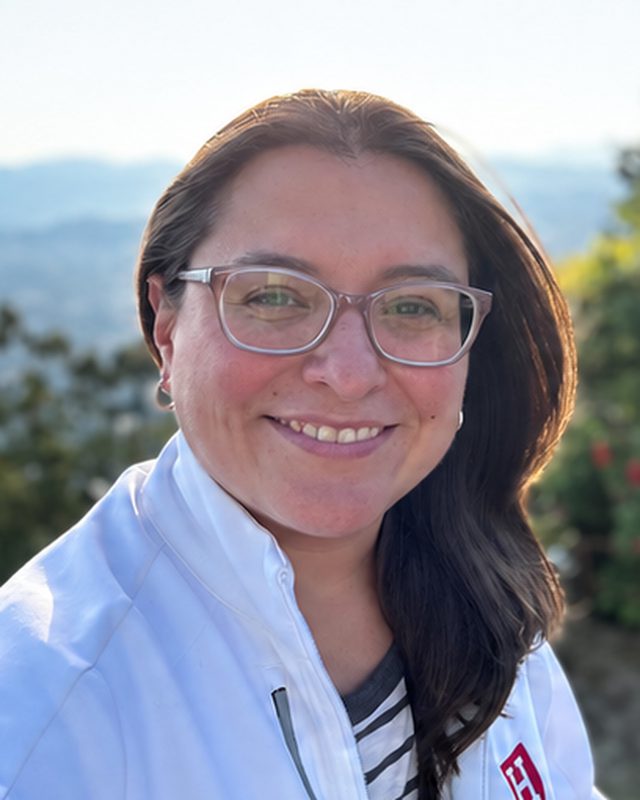
Portrait of N. G.
Former admissions officer

N. G.

Harvard College · Former Admissions Officer
5,500+ applications read at Harvard College

Application strategyCourses & activitiesSchool list & fitPersonal story
Biography · What you can ask

A former Harvard College admissions officer, N. G. read more than 5,500 applications before going on to advise students and families through the college admissions process.

Her approach starts with your interests, strengths, and goals — helping you connect those pieces and communicate your story clearly.

Questions you can bring

  • What would an admissions reader notice in my application?
  • Should I add new activities or go deeper into what I already do?
  • What should I prioritize for the schools I have in mind?
Education
Harvard College — BA · Harvard Graduate School of Education — MEd
UNC Kenan-Flagler Business School — MBA
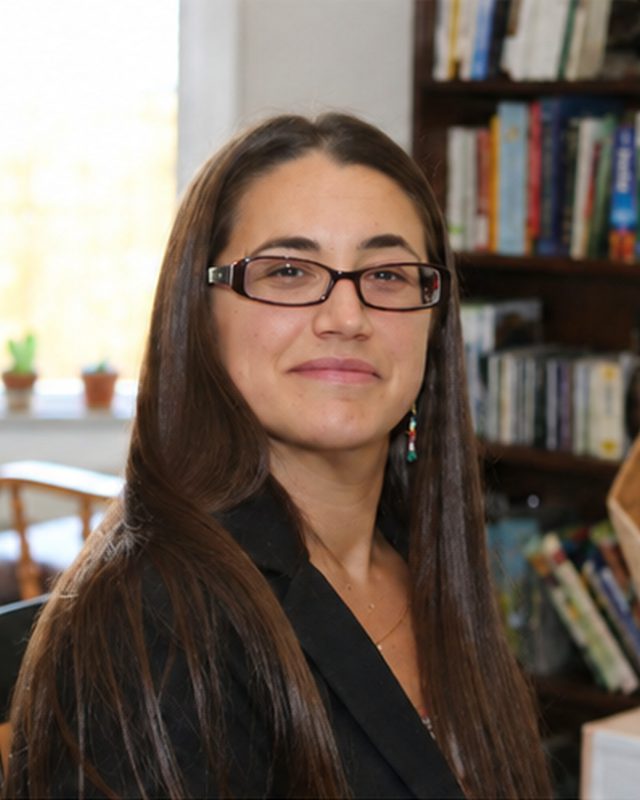
Portrait of S. H.
Former admissions officer

S. H.

Johns Hopkins University · Former Senior Assistant Director
20+ years in college admissions and counseling

Application reviewCourses & activitiesCollege planningPersonal voice
Biography · What you can ask

S. H. evaluated undergraduate applications and made admissions decisions at Johns Hopkins University and Northeastern University.

She later led high school college counseling and advised students and families, helping them refine their applications while preserving their own voice.

Questions you can bring

  • My grades are strong. What else should my application communicate?
  • I’ve done a lot. Which experiences should I emphasize?
  • How do I choose a personal story that adds something new to my application?
Admissions experience
Johns Hopkins University — Senior Assistant Director · 2002–2011
Northeastern University — Assistant Director · 1999–2001
Education
Northeastern University — MS, College Student Development & Counseling · BS, History
Portrait of D. S.
Admissions reader & college advisor

D. S.

UC San Diego · Admissions Reader
Application reader at UC San Diego · Northwestern alumni interviewer

Application storyEssays & activitiesCollege listInterview preparation
Biography · What you can ask

D. S. brings experience as a seasonal application reader at UC San Diego and as a college admissions consultant.

His work focuses on helping students connect their interests, experiences, and goals across essays, activities, and college choices.

Questions you can bring

  • My interests span different subjects. How can I connect them?
  • What can my essay reveal that my grades and activities don’t?
  • How do I explain why a college fits me beyond its ranking?
Admissions experience
UC San Diego — Seasonal Admissions Reader
Northwestern University · Kellogg School of Management — Admissions Representative, MSMS & MD-MBA programs (while enrolled)
Northwestern University — Alumni Admissions Interviewing Council
Education
Northwestern University · Kellogg School of Management — MS, Management
Northwestern University — BS, Communication · BM, Voice & Opera
Topics

What would you like to discuss?

Topics an officer can actually speak to. Bring one, or several — the request form asks what's on your mind.

Where you stand

An honest read of your current preparation against the schools you're considering.

What to prioritize

Which parts of the next year deserve your time — and which don't.

School list & fit

How a reader sees your list, and what "fit" actually means inside a file.

Activities & narrative

How your activities read together, and the story a file ends up telling.

Essays & personal statement

What readers notice first, and how to approach the drafts.

One specific decision

Early or regular, a course choice, a testing plan — one decision, talked through.

Your timeline

From now to decision day.

Current grade
  1. Grade 9Grade 9Now

    Explore and build habits

    • Take the most challenging courses you can do well in
    • Try activities, and notice what you keep coming back to
    • Start a simple record of activities and awards
  2. Grade 10Grade 10Now

    Go deeper

    • Narrow to one or two interests and take on responsibility
    • Plan junior-year courses — rigor matters most next year
    • Try practice tests to choose between the SAT and ACT
  3. Before grade 11Before grade 11Now

    A summer with substance

    • A program, research project, job or community work
    • Something you can explain in one sentence
    • Light, steady test prep
  4. Grade 11Grade 11Now

    The year that counts most

    • The strongest grades of high school
    • Leadership in the activities you chose
    • Take the PSAT/NMSQT in October
    PSAT · Oct
  5. Grade 11Grade 11Now

    Testing and a first list

    • SAT or ACT, leaving time for a retake
    • AP exams in May
    • A first school list; ask two teachers for recommendations
    AP · May
  6. Before grade 12Before grade 12Now

    Essays and the application

    • Draft the personal statement
    • Finalize the list: reach, target and likely schools
    • The Common App opens on August 1
    Common App · Aug 1
  7. Grade 12Grade 12Now

    Applications go out

    • Early Action and Early Decision — often November 1 or 15
    • Regular Decision — usually January 1–15
    • Keep grades strong: colleges see senior-year grades
    Early · Nov 1–15Regular · Jan 1–15
  8. Grade 12Grade 12Now

    Decisions

    • Most decisions arrive in March and April
    • Compare offers and financial aid
    • Commit by May 1
    Decision day · May 1

An example timeline. Every student’s plan is built around their own school, goals and calendar.

By grade

What families ask, grade by grade.

Grades 9–10Grade 11Grade 12
Common questionsWhich courses to take next year? Is it too early to think about activities?Is my list realistic? What should my essays be about? Early or regular?Does my application say what I want it to? What would a reader notice first?
What a session coversCourse rigor, depth over breadth in activities, and how interests grow into a directionSchool list and fit, testing plan, essay topics, and what the summer should holdHow the whole file reads together — activities, essays and the school list
What you leave withPriorities for the next two yearsA clearer list and a plan for senior yearA reader’s perspective before you submit
How it works

From request to conversation.

  1. 01

    Choose an officer

    Name the one you'd prefer, or let us suggest based on your questions.

  2. 02

    Send your questions

    A short form — your situation and what you want to discuss.

  3. 03

    Confirm a time

    Our team contacts you about availability and the session terms.

  4. 04

    Meet on Zoom

    A private conversation on a link we set up for you.

After the session, if learning support comes up and you agree, our team can point you to the right tutoring. It never happens automatically.

Before you request

Questions people ask first.

The short version of the terms. Anything else, ask in the form — we answer before scheduling.

01Is this a separate service from tutoring?
Yes. An admissions conversation is its own paid service. You don't need tutoring to request one, and a session never commits you to anything else.
02Who will I actually talk to?
The officer you name in your request, or one we suggest from your questions. We confirm who it will be before a time is set.
03What happens after I send a request?
Our team contacts you about the officer's availability and the session terms. Once you're happy, we set a time and send the Zoom link. Until then, nothing is booked and nothing is charged.
04Can I ask for a specific officer?
Yes — the form has a "preferred expert" field. Availability is confirmed afterwards; if your first choice can't take a session soon, we'll say so and suggest an alternative.
05What if I also need help with a subject?
Tutoring is a separate request. If a session shows that subject support would help and you’d like it, our team can point you to the right tutoring — only when you ask.

Ready to ask?

Tell us what's on your mind and, if you like, which officer you'd prefer. We reply about availability and the terms before anything is scheduled.

Request → We contact you → Confirm a time → Zoom